Food, service and restaurant was incredible for the price. Very reasonable. Quiet, soft atmosphere! Photos next time.
Overview
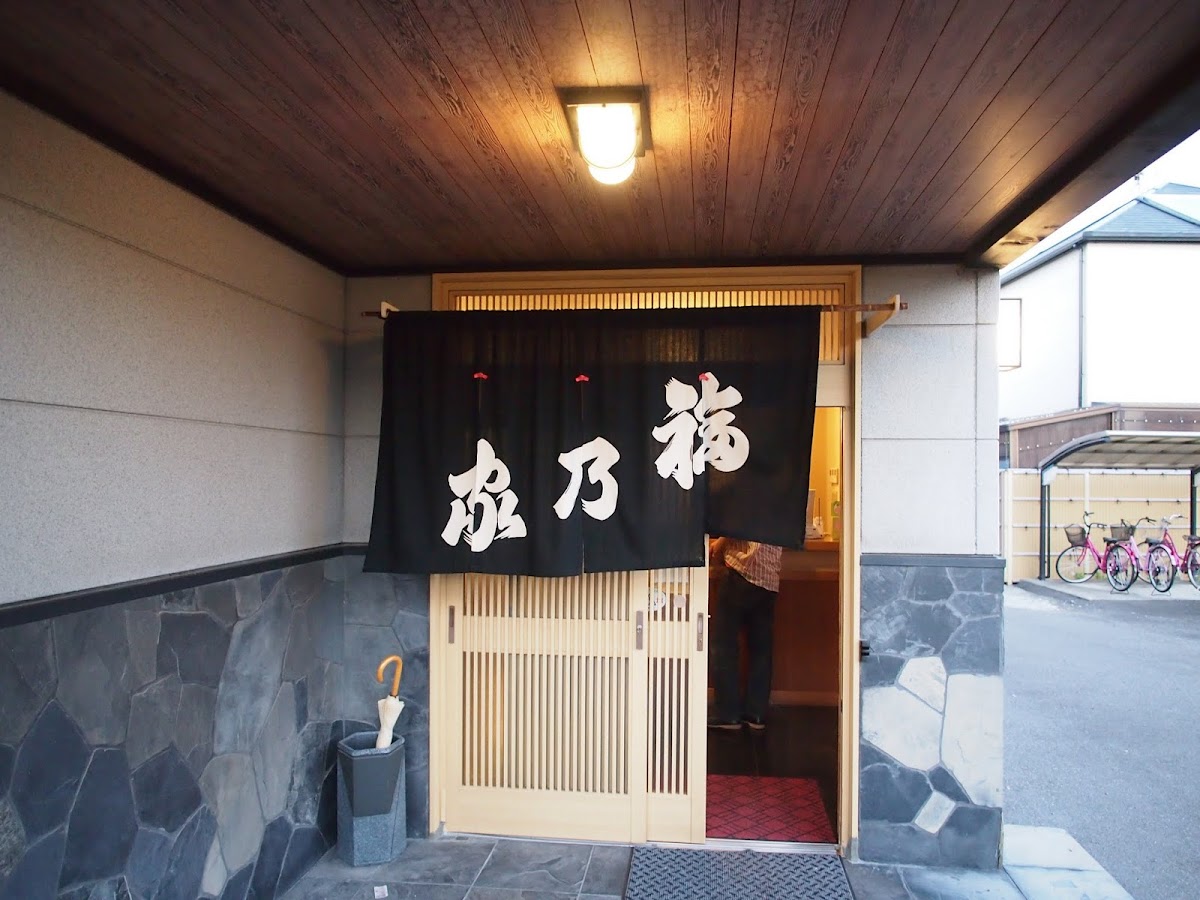
Tucked away in Japan at 〒769-0103 Kagawa, Takamatsu, 国分寺町福家甲3559−1, Fukunoya feels like one of those places you almost don’t want to share-yet you know it deserves the attention. I first stopped by on a quiet afternoon while exploring the Kokubunji area of Takamatsu, and what struck me immediately was the steady stream of locals walking in with the kind of confidence that says, “This is our spot.” That alone tells you something important.
The restaurant sits in a calm residential pocket of Kagawa Prefecture, far from the flashy tourist circuits. Still, it holds its own thanks to a menu built around precision and tradition. Kagawa is famously known as the udon capital of Japan, and according to data from Japan’s Ministry of Agriculture, Forestry and Fisheries, the prefecture consumes more udon per capita than anywhere else in the country. That heritage shows up clearly here. The noodles are firm yet silky, with a bounce that chefs call koshi-a texture achieved through careful kneading and controlled resting time. Watching the staff move in rhythm behind the counter, rolling and cutting dough, you can see the process is deliberate rather than rushed.
On my first visit, I ordered a classic kake udon, served in a simple dashi broth. The flavor was clean and balanced, with bonito and kelp notes that didn’t overpower the wheat aroma of the noodles. Then I added a side of tempura-light, crisp, and clearly fried at the right oil temperature. The difference between average and excellent tempura often comes down to heat control; too low and it turns greasy, too high and it browns before cooking through. Here, it was spot on.
What makes Fukunoya stand out in reviews is not flashy innovation but consistency. Several locals I spoke with mentioned they’ve been coming for years. One elderly gentleman told me he stops in every Sunday after visiting a nearby temple. That kind of loyalty doesn’t happen by accident. It’s built through reliability, fair pricing, and attention to detail. In fact, Japan’s Food Service Association has repeatedly emphasized that repeat customers are a key indicator of restaurant sustainability, especially in regional areas like Takamatsu. This diner embodies that principle.
The menu is straightforward but thoughtfully arranged. Beyond traditional udon bowls, you’ll find seasonal toppings, rice dishes, and comforting set meals. Portions are generous without being overwhelming, making it accessible for families, solo travelers, and even cyclists passing through the countryside roads of Kagawa. I’ve recommended it to friends visiting Japan who wanted something authentic but approachable. Each time, the feedback has been similar: simple food done exceptionally well.
Atmosphere plays a role too. The dining area is modest and unpretentious, with wooden tables and a casual setup. There’s no overdesigned décor competing for attention. Instead, the focus remains squarely on the food. You can hear the subtle sounds of broth simmering and noodles being lifted from boiling water-small details that add to the experience. Cleanliness is evident, and the kitchen workflow appears efficient, which builds trust. In Japan, food safety standards are strict, and establishments in Kagawa are regularly inspected under national guidelines. While I don’t have access to the most recent inspection reports, everything during my visits suggested strong adherence to those regulations.
Accessibility is another plus. Being located in Takamatsu, it’s reachable by car and not far from major local routes. Parking availability, which can be a challenge in some parts of Japan, is manageable here. That practicality makes it a reliable lunch stop if you’re exploring the wider region.
If you’re the kind of diner who values authenticity over trendiness, Fukunoya delivers. It reflects the culinary identity of Kagawa without trying too hard to impress. The flavors are rooted in tradition, the service feels genuine, and the steady stream of returning customers speaks louder than any advertisement. In a country celebrated for its food culture, finding a place that quietly honors its craft like this is always worth the trip.
Good to know
Service options
✓ Dine-in ✓ DeliveryPopular for
✓ Lunch ✓ DinnerOfferings
✓ Alcohol ✓ BeerDining options
✓ Lunch ✓ Dinner ✓ Dessert ✓ Seating ✓ Table serviceAmenities
✓ ToiletAtmosphere
✓ CosyCrowd
✓ GroupsPlanning
✓ Dinner reservations recommended ✓ Accepts reservationsPayments
✓ Debit cards ✓ NFC mobile payments ✓ Credit cardsChildren
✓ Good for kids ✓ High chairsParking
✓ Free parking lot ✓ ParkingPhotos
1 / 4
Location
Reviews
- No ratings yet 160 reviews
旧店舗の時からハラミが食べたくなるとフラッと行きます。 今でも親父さんが厨房で頑張っていますが結構な年齢だと思います。 ホルモンやハラミが美味しい店ですがここの豚汁も絶品で味噌の味が最高です。 打ち込みも人気ですが私的には普通かな? どじょう汁もありますが地元民でない私にはグロくて食べれませんでした。
建物が立派で敷居が高く、なかなか訪問できていませんでしたが、ランチ利用しました。 12時前に入店しましたが先客が2組いました。 4人掛けのテーブルが10個程度あり、焼肉屋だけあってかゆったりと座れるようになっています。 日替わりメニューは、入口を入ってすぐのところにホワイドボードに記載されています。 本日は、アジフライ、小エビのかき揚げ、焼肉丼の3つから選択です。日替わりメニューの価格は記載されていませんでしたが、いずれも700円の模様。 焼肉屋さんということで、焼肉丼をチョイスしました。 量は十分。焼肉は甘辛いたれでからめられており、ご飯が進みます。 他の人の注文を聞くと、大盛も選択できるようです。 ホタテの煮たものも美味しかったです。 また利用したいです。
焼肉と打込みうどんが美味しいお店、久々の訪問、上タンがなかったけど、ジュウシーなタンで、これでも十分美味しいタンでした。お肉は久々にラムをいただきました。美味しかったですよ!写真はないけど、3人で打込み一人前を締めに頼んで満腹、満足ランチでした。打込みうどんははじめに頼まないと、うどん打ってから作ってくれるので、20分ほどかかるみたいですよ。
外から、中の様子が見えないお店なんですが、 ランチは何と700円でした。 地元の方が多く、安くて美味いお店です。
ランチ利用。 3種類のメニューから選択。 本日は、焼肉丼、牛丼、唐揚げ定食でした。 いずれも700円。ご飯大盛無料です。 焼肉レストランだけあって、席が広く、ゆっくりお食事したい人にお勧めです。
焼肉屋ですが、打ち込みうどんが有名なお店。観光客向けの製麺所とは違って、こちらは地元の人が集う穴場スポット。 打ち込みうどんは注文してから20分くらいかかるため、先に焼肉を楽しむのが吉。ホルモンが柔らかく絶品